Understanding Eco-Friendly Practices
Definition and Importance
So, stepping into the world of eco-friendly real estate development is pretty exciting, right? At its core, eco-friendly practices focus on reducing the negative environmental impact of a building or development. This concept is crucial—not just for those of us who fancy the outdoors, but for the survival of our planet. When we build with sustainability in mind, we’re essentially saying, “Hey, future generations, I care about you!”
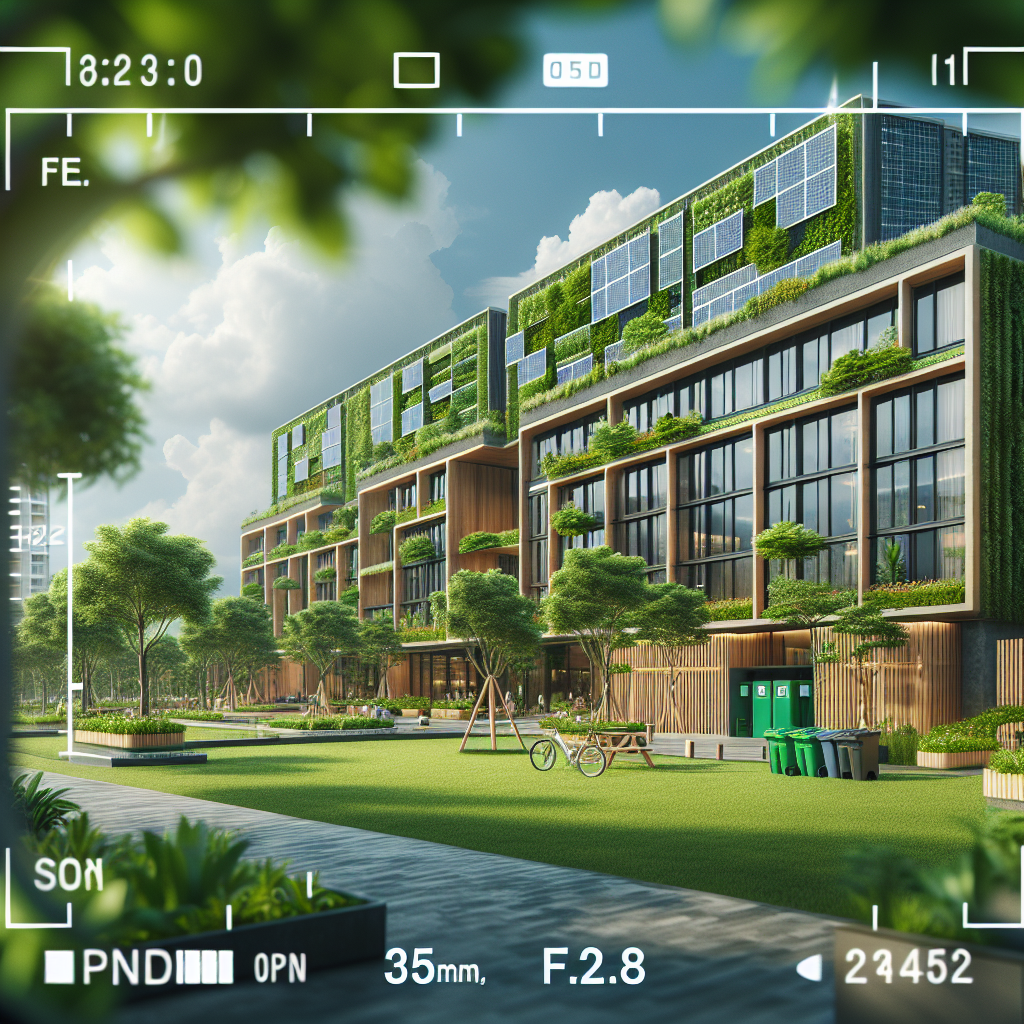
Think about it: every brick we lay, every resource we consume, is affecting the Earth. If we incorporate renewable resources, like solar panels or rainwater collection systems, we can significantly cut down energy consumption and minimize waste. This shift towards green building may seem like a trend, but trust me, it’s here to stay.
In my experience, as developers begin to embrace these practices, they unlock new markets and a loyal customer base who are conscious of their environmental footprint. It’s a win-win, and it’s the way of the future!
Benefits to the Environment
One of the most important aspects of eco-friendly real estate development is its impact on the environment. By focusing on sustainable practices, we drastically reduce pollution and conserve precious resources. For one, energy-efficient buildings can lower greenhouse gas emissions, which directly contributes to healthier air quality.
Plus, eco-friendly buildings often incorporate green spaces, which not only enhance urban landscapes but also provide natural habitats for wildlife. Personally, every time I see a project that integrates plants and trees, it warms my heart. It’s like we’re giving back to nature, and in a world full of concrete, that’s a beautiful thing!
From a practical standpoint, eco-friendly designs frequently lead to reduced utility costs. Who doesn’t want lower energy bills? Investing in sustainable materials and technologies often pays off in the long run—not to mention the tax breaks that can come with it!
Staying Updated with Sustainable Trends
As someone who’s been in the game for a bit, I know keeping up with the latest trends can be overwhelming. But trust me, staying informed about sustainable innovations is where the magic happens. Every year, new technologies emerge, and they can really transform the way we think about real estate development.
From smart thermostats to energy-efficient appliances, there’s a plethora of options available that can elevate a project. Personally, I love checking out trade shows and conferences—they’re like candy shops for eco-conscious builders! It’s crucial to pick up on these emerging trends and be the first in your market to offer these green features.
Furthermore, connecting with other professionals in the field can lead to fantastic collaborations, introducing fresh ideas and practices to your projects. Building community in eco-friendly development not only spreads awareness but also strengthens the industry as a whole.
Financing Sustainable Developments
Understanding Green Financing Options
Now, let’s talk about the money. Many think eco-friendly development is actually more expensive, but let me tell you, there are plenty of green financing options that make it easier than you might think. Low-interest loans, grants, and tax incentives are out there waiting for you! It’s like finding hidden treasure—you just gotta know where to look!
Many financial institutions have jumped on the green bandwagon, offering favorable terms for eco-conscious projects. In my experience, I’ve seen developers partner with banks specializing in green financing, which not only makes funding more accessible but also provides valuable resources throughout a project.
And don’t overlook the importance of showcasing your commitment to sustainability—many investors are now specifically looking for projects that prioritize eco-friendliness. So, when putting together your financial proposals, don’t shy away from highlighting those green components!
Long-term Cost Effectiveness
When I started in real estate, I was surprised to discover that eco-friendly developments often generate long-term savings. Let’s break it down: green buildings typically require less energy to operate, leading to lower utility bills over time. That means more money in your pocket, which is something we can all get behind!
Plus, sustainable materials are often more durable, minimizing maintenance costs. Who wants to keep shelling out cash to fix things that could have been designed to last? Investing up front in quality, eco-friendly materials pays off in the long run—not just for your wallet, but for the planet too!
This approach not only enhances profitability but also positions you as a leader in the real estate market. When clients see your commitment to sustainability and the savings it brings, it can set you apart from the competition.
Grants and Incentives
Let’s not forget the various grants and incentives available through government programs. These golden opportunities can sometimes cover a significant portion of your project costs, making your eco-friendly vision a reality without breaking the bank. Research local, state, and federal programs that support green construction to unearth potential funding!
I’ve worked on projects that qualified for such incentives, and honestly, it felt like being handed a ticket to the eco-development express train! It’s essential to stay proactive and informed. You never know which programs might pop up that align with your goals.
Networking with other developers in your area can also help uncover available grants and incentives. Sharing ideas and experiences is key to unlocking new opportunities. Plus, it’s just nice to have a little community looking out for one another!
The Role of Technology in Eco-Friendly Development
Smart Building Technologies
Let’s dive into technology—oh boy, this is where things get really interesting! Smart building technologies are at the forefront of eco-friendly real estate, and I can’t get enough of it! These advancements allow for better energy management and increased efficiency through automation.
For example, smart HVAC systems can regulate temperature based on occupancy. This means no more heating or cooling empty rooms, which is not just a waste of energy but also money! Every time I see one of these systems in action, I feel like I’m living in the future.
Integrating smart technologies not only boosts the appeal of a property to potential buyers or tenants but also enhances the overall value. People are becoming increasingly aware of the benefits of smart homes, and developers would be wise to take note!

https://Credit411USA.com
Sustainable Material Innovations
Here comes the fun part—sustainable materials! In my journey, I’ve seen a rise in innovative building materials that are both eco-friendly and stylish. Think bamboo flooring, recycled steel, or reclaimed wood—being green doesn’t mean sacrificing aesthetics.
These materials are not only better for the planet, but they can also outlast traditional options. I’ve been amazed at how organizations are creating alternatives that tick all the boxes—sustainability, durability, and style! It’s like a three-for-one deal for developers!
Furthermore, staying on top of new material trends can foster creativity in your designs, making your projects not just eco-friendly but also memorable. When potential clients see unique, sustainable features, they’re more likely to want to learn more and get on board!
Energy-Efficient Technologies
When it comes to energy efficiency, the options are endless—solar panels, green roofs, and energy-efficient windows are just the tip of the iceberg. I mean, who wouldn’t want to harness the sun’s power? It’s literally free energy!
Adding these features can be a game-changer in attracting eco-conscious buyers. Personally, I love walking through a home with a green roof or solar energy setup. It feels good to know that I’m living in a space that’s not only beautiful but also kind to the environment.
These installations can also lead to impressive savings on energy bills, making your developments even more appealing to prospective residents. Seriously, energy-efficient tech is a game changer, and embracing it will position you as a leader in the sustainable movement!
Building Community Engagement
Creating Local Partnerships
One of the most rewarding aspects of eco-friendly development is the ability to forge connections in the community. Building local partnerships can lead to exciting collaborations that enhance project success while promoting sustainability. From local suppliers to environmental organizations, it’s all about creating a network of like-minded individuals!
I’ve worked on various projects where collaboration with local groups not only enriched the development process but also fostered goodwill within the community. People love when developers engage with them, and it creates a sense of ownership and pride in the project.
Networking can open doors to shared resources, thus reducing overall costs. Who knows—you might even inspire other developers to follow suit, creating a ripple effect of eco-friendly practices throughout your town!
Hosting Community Events
Getting out there and hosting community events can make a huge difference! Whether it’s tree-planting days, educational workshops on sustainability, or open houses featuring your eco-friendly projects, these events build awareness and excitement.
I remember one event I organized, and it felt like we were creating something beautiful together. When people come together to learn about sustainable practices, their enthusiasm is contagious! Plus, it allows you to showcase your developments and engage with potential clients.
Community events can spark conversations that drive local interest in eco-friendly living. And, let’s be honest, it’s just plain fun to be a part of something bigger than yourself!
Encouraging Sustainable Living Practices
Lastly, let’s chat about how we can encourage sustainable living practices within the communities we develop. It’s not enough to just build green; we need to inspire people to embrace a greener lifestyle. Offering resources or workshops can help residents understand how to reduce their ecological footprint.
In my projects, I’ve introduced composting workshops and provided on-site community gardens, transforming neglected spaces into vibrant areas for gathering and learning. The feedback has been overwhelmingly positive, and participants feel empowered to make lasting changes in their daily lives.
Building a culture around sustainability leads to a more engaged and informed community. When a community thrives sustainably, everyone wins, creating a better quality of life for all parties involved.
Conclusion
The rise of eco-friendly real estate development isn’t just a passing trend; it’s a transformative movement. By integrating sustainable practices, embracing technology, and fostering community relations, we can leave a lasting impact on our environment and our communities. Plus, as I’ve shared, the benefits extend far beyond just doing good—they can lead to innovative, profitable, and fulfilling projects.
FAQ
1. What are the main benefits of eco-friendly real estate development?
The main benefits include reducing environmental impact, lowering energy costs, and enhancing marketability to eco-conscious buyers.
2. How can I finance a sustainable development project?
You can explore green financing options, qualify for grants and incentives, and partner with financial institutions that support eco-friendly practices.
3. What technologies should I consider for eco-friendly developments?
Consider incorporating smart building technologies, energy-efficient appliances, and sustainable materials into your projects.
4. How can I get my community involved in sustainability efforts?
Host community events, create local partnerships, and offer resources that promote sustainable living practices and educate residents.
5. Is investing in eco-friendly real estate worth it?
Absolutely! It can lead to long-term savings, increased property value, and cater to a growing market of eco-conscious buyers.

https://Credit411USA.com