Community and Social Connections
Building Relationships in Urban Spaces
In my experience, urban living offers a unique vibe that fosters instant connections. With bustling cafes, art galleries, and street festivals, you can easily strike up a conversation with your neighbor or the barista. The melting pot of cultures means there’s always something happening and someone interesting to meet.
Social media plays a big role here too. Urbanites often share events and find community through platforms like Instagram and Facebook. This digital connection can lead to real-life friendships, making it easy to find your tribe in a crowded space.
However, it’s not all sunshine and rainbows. Sometimes, the sheer hustle of city life can feel impersonal. You might see tons of faces daily but struggle to truly connect. I’ve learned that seeking out niche meetups can help break that barrier, but it’s a bit of work to really build those meaningful relationships.
Suburban Community Dynamics
In contrast, suburban areas often boast more tight-knit communities. Neighbors know each other’s names and you might find yourself at a block BBQ within weeks of moving in. There’s something comforting about seeing familiar faces daily, and it truly fosters that sense of belonging.
School functions and community events bring families together, giving suburbanites plenty of opportunities to socialize. I always found that organizing these types of events takes less effort because people are generally more willing to participate when they’re in a relaxed environment.
Yet, the suburbs can sometimes feel isolated, especially if you don’t own a car. Public transport isn’t always great outside of the city, which can limit spontaneous social interactions. I think it’s essential to strike a balance between community events and personal initiative to reach out beyond the neighborhood.
The Rise of Virtual Communities
Regardless of where you live, the growth of virtual communities is undeniable. Whether you’re in the heart of a metropolis or a cozy cul-de-sac, connecting with others online is easier than ever. It’s fascinating how people can form friendships over shared interests without geographical constraints.
From online gaming to Bookstagram, these communities allow us to engage at our own pace. I have found great like-minded friends while discussing my favorite novels online, even though they live thousands of miles away! It’s fascinating how technology is shaping our social interactions.
On the flip side, one must be cautious about over-relying on virtual connections. They can feel superficial at times. I’ve learned from my own experiences that nothing beats the warmth of a face-to-face conversation, whether in a busy city café or a quiet suburban park.
Accessibility and Convenience
The City: Everything at Your Fingertips
Living in an urban area, I’ve gotten used to having everything I need just a stone’s throw away. Grocery stores, cafes, and public transportation are typically within walking distance, making errands a breeze. The hustle and bustle come with a unique energy that keeps you on your toes.
Public transport is a game changer. You can hop on a subway or bus to get anywhere. On days when I don’t feel like driving, the train’s just around the corner, whisking me off to my destination. It’s a comfort that I often took for granted until a friend moved to the suburbs and shared her struggle with commuting.
However, the downside is the congestion. City life means traffic (and lots of it), which can be infuriating. I’ve had to learn to plan my travels better, setting out earlier to avoid the dreaded rush hour. Still, it’s a trade-off I often welcome for the convenience of urban living.
The Suburban Drive
Suburban life, on the other hand, often requires a little more planning. While your local amenities may not be just a short walk away, it can be fun to explore different spots within driving distance. I’ve found a few hidden gems in my suburban area that are totally worth the drive, like quaint little cafes and local boutiques.
Owning a car definitely adds flexibility. You can travel to neighboring areas, making it feel vast and spacious. Plus, the scenic drives can be quite enjoyable, especially in the fall when leaves change colors. But this flexibility comes with the responsibility of managing your vehicle and the associated costs, which can add up over time.
The catch? In some parts of the suburbs, public transit options are limited, making it tough for those who prefer not to drive. I’ve witnessed friends miss social gatherings simply because they couldn’t get a ride. It’s crucial to weigh the pros and cons and find what fits your lifestyle best.
Availability of Green Spaces
One massive perk of suburban living is the abundance of green spaces. Parks, trails, and backyards offer the perfect escape from daily hustle. I love spending weekends outdoors, whether it’s a picnic in the park or a scenic bike ride through nature trails. It adds balance to my life that’s sometimes hard to find in the concrete landscape of the city.
Urban parks can be a haven, but they’re often crowded. I’ve had to get creative, embracing early morning strolls to enjoy nature before it’s overrun with people. I’ve also discovered rooftop gardens and community greenhouses that add a splash of greenery to the urban jungle.
Both options have their charm, but it truly depends on your priorities. If you’re someone who craves nature and peace, the suburbs might be your jam. However, if you find rejuvenation in urban energy, city life might be your calling. Both have their ups and downs, and it’s all about what makes you feel at home.
Cost of Living and Affordability
Urban Living Expenses
Let’s talk money! Living in the city tends to come with a heftier price tag. Rent skyrockets in prime urban areas, and grocery prices can be significantly higher too. I’ve seen friends stretch their budgets just to afford their trendy downtown apartments, balancing living expenses with their lifestyle choices.
However, you do get what you pay for. The excitement, the culture, and the accessibility to amenities and job opportunities make up for the high costs. Plus, the potential for higher salaries in urban sectors is another factor to consider for many young professionals.
Still, it’s important to budget wisely. I’ve made it a habit to keep tabs on my spending, using apps to track expenses, which helps me maintain a balance and enjoy the vibrant urban life I love—in moderation!

https://Credit411USA.com
Suburban Cost Benefits
In the suburbs, affordability tends to be more attractive. Housing prices are usually lower, and you can often find more space for your money, like larger homes or those coveted backyards. It can be a relief to step back and see how much further your dollar can stretch with a suburban lifestyle.
Moreover, lower taxes in certain suburban areas can provide some welcome savings. I’ve looked at friends’ home mortgages in the suburbs compared to mine in the city, and it’s almost unbelievable how much they can save!
However, it’s essential to consider commuting costs for suburban living. You might save on rent but adding fuel expenses and potential tolls can eat into those savings. I always remind friends to calculate the full costs when weighing their options between urban and suburban living.
The Importance of Financial Planning
No matter where you decide to settle down, a sound financial plan is a must. I’ve learned that living beyond your means—whether in the city or the suburbs—can lead to stress and unhappiness. Creating a budget that reflects your lifestyle and sticking to it has been key for me.
Additionally, saving for the future can open up opportunities for travel or further investments. Even in an exciting city, I remind myself to set aside a little something each month, regardless of how much I love to explore new spots.
There’s also the idea of thinking long term. Will city living still fuel your passion in five years, or will you feel the need for more space? I always encourage folks to reevaluate their living situation regularly to see if it’s still serving their goals and happiness.
Trends and Future Development
Urban Innovations
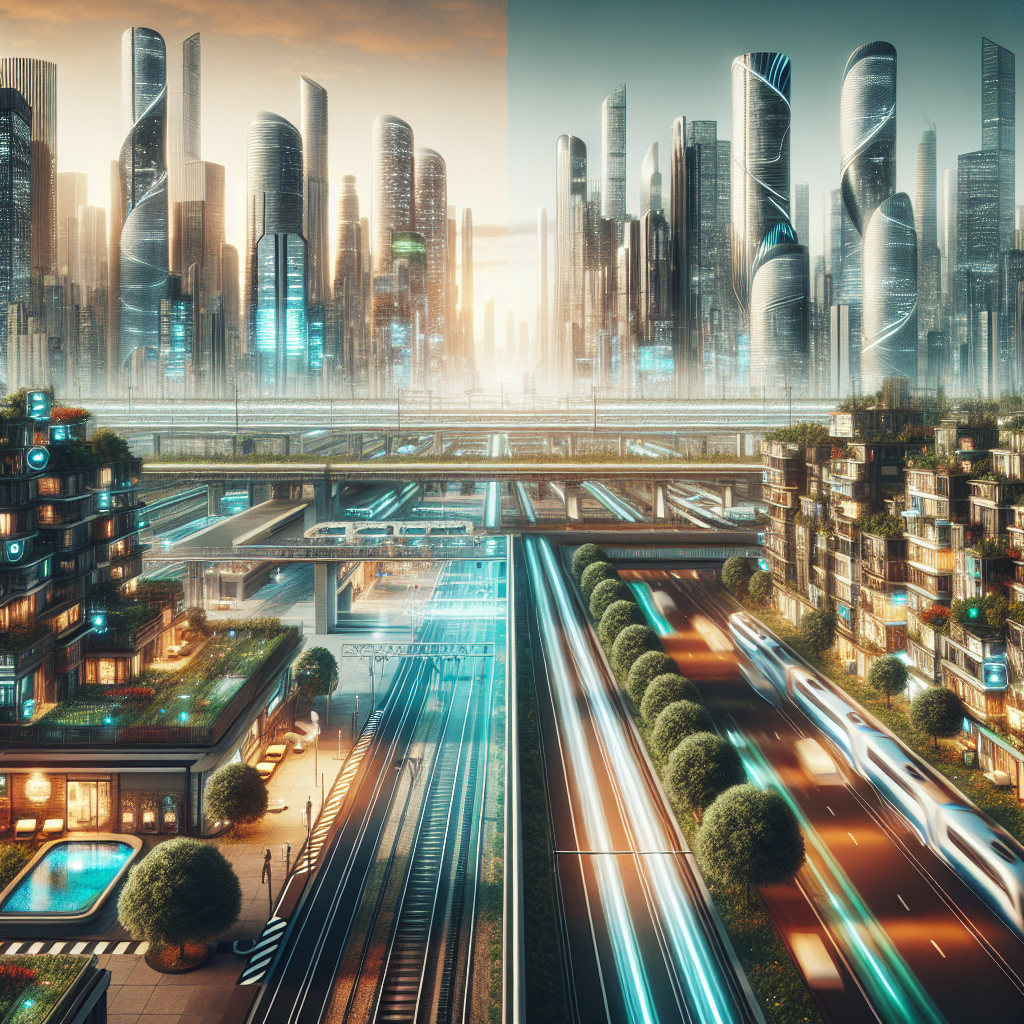
As cities evolve, so too do the innovations that shape urban living. I’ve been particularly excited about tech advancements in smart city infrastructure—think energy-efficient buildings and eco-friendly public transport systems. It’s inspiring to see cities becoming more sustainable.
The buzz around urban farming initiatives is another trend that brings green spaces into the city. Community gardens and rooftop farms are popping up everywhere, providing fresh produce and a chance for residents to get involved. I’ve even jumped on the bandwagon by volunteering at a local garden—it’s a great way to meet people while supporting sustainability!
However, there’s also a lot of debate around gentrification and housing affordability. As the city transforms, I think it’s essential for residents to advocate for equitable development that benefits all community members, not just a select few.
Suburban Developments
On the flip side, the suburbs are modernizing too. I’ve seen them embrace walkable towns with mixed-use developments, allowing residents to enjoy the benefits of urban living without sacrificing space. New shopping centers are emerging, and developments are focusing more on community engagement—think parks and shared spaces.
This shift opens up new opportunities for both living and leisure. People can find that balance of quiet suburban life while still having amenities like a local brewery or food market—how cool is that?
Yet, as demand increases for these developments, suburbs also face challenges with infrastructure. I often remind myself and others to push for sustainable growth in our areas to prevent strain on local resources.
The Future of Living Arrangements
As we look to the future, hybrid living arrangements are starting to gain traction. I’ve noticed more people looking for flexibility—living part-time in the city and part-time in the suburbs. This combination allows individuals to take advantage of both lifestyles, which I think could be the ideal solution for many.
With remote work becoming more commonplace, people can choose where to live without being bound to their workplace’s location. I’ve heard of friends moving to more affordable areas, enjoying the suburban comforts while still keeping an urban job. It’s an exciting prospect that I can’t help but feel will change the landscape of both living styles.
Ultimately, I think the future will always demand a balance, no matter where we settle down. I have faith that both urban and suburban living will adapt to meet the needs of residents, enriching lives in unique ways.
FAQ
1. What are the main differences between urban and suburban living?
Urban living is often defined by a bustling lifestyle, close proximity to amenities, and diverse social opportunities, while suburban living typically offers more spacious homes, quieter environments, and a close-knit community feel.
2. How does cost of living differ between the two?
Generally, urban living tends to be more expensive with higher rents and living costs compared to the suburbs, where housing is typically more affordable but can come with added commuting expenses.
3. What trends are shaping urban living right now?
Urban innovations like smart technology integration, urban farming, and sustainable development are shaping city life, making it more efficient, green, and engaging for residents.
4. Can you find a sense of community in urban areas?
Absolutely! While it might take some effort to forge connections, urban areas offer unique opportunities through shared events, meetups, and social media, enabling residents to build meaningful relationships.
5. How can someone decide which lifestyle is right for them?
I recommend considering factors like your daily routine, lifestyle preferences, and financial situation. Reflecting on your values and priorities will help guide you towards the living arrangement that’s right for you!

https://Credit411USA.com