
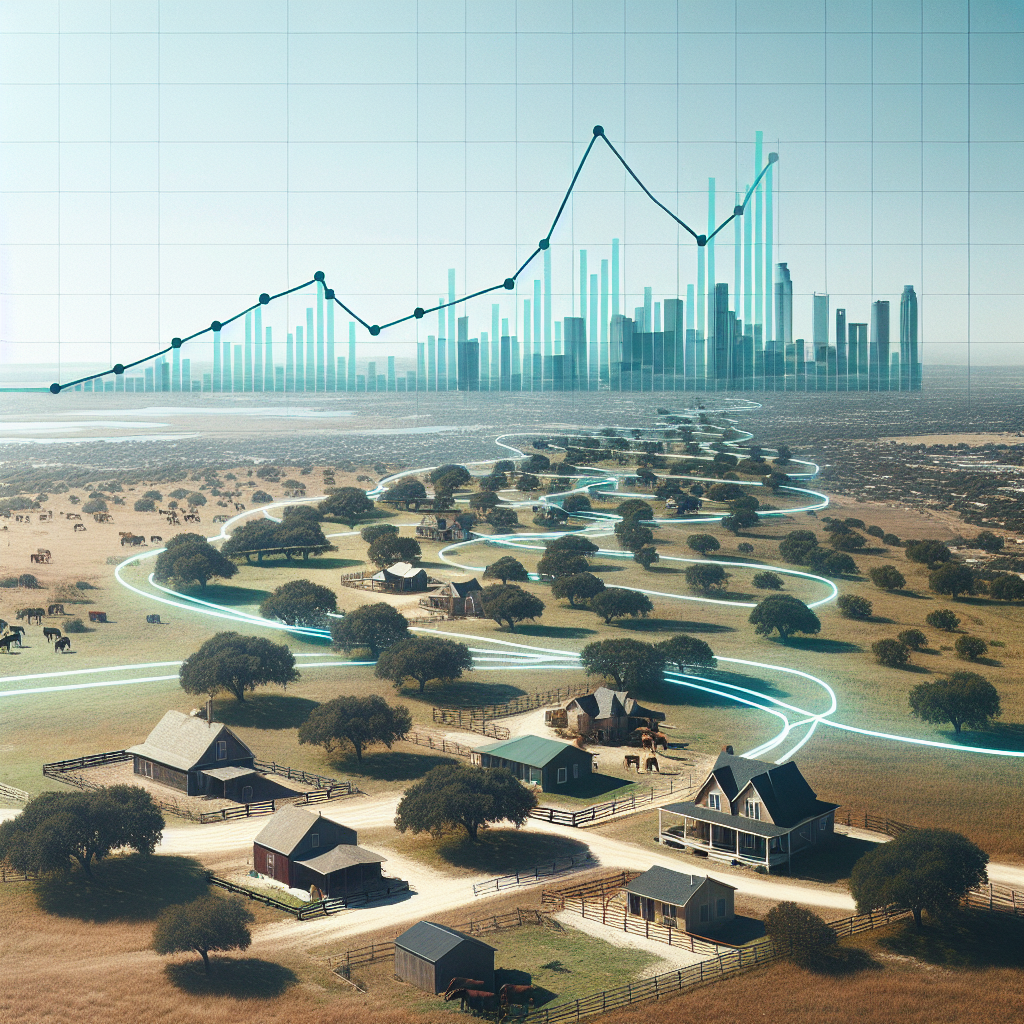
The Early Years of Texas Property Values
Understanding the Landscape
When I first delved into the history of Texas property values, I was fascinated to see how the vast land influenced property prices. The early settlers in the 1800s found themselves in a rugged and diverse environment, which brought a unique charm to different areas. The value of land back then was largely determined by location—being close to water sources or fertile land drastically increased property desirability.
Initially, property values were relatively low, as the state was still being explored and developed. Most settlers were preoccupied with survival, which meant that real estate was more about finding secure shelter than making a hefty investment. I loved learning about how pioneers valued land not just for its market price but for its ability to sustain life.
This foundational understanding laid the groundwork for the future boom in Texas real estate, where the importance of location would continue to shape property values for generations to come.
Land Grants and Early Investments
As I researched further, I stumbled upon the fascinating era of land grants. Spanish and Mexican land grants were crucial in the development of property ownership in Texas. These grants were often large tracts of land and played a significant role in forming communities and boosting local economies. I found it intriguing how land ownership was often viewed as a pathway to wealth and stability for many families.
Investors began to take notice of the potential for profit, especially as towns started to pop up. This transformation meant that, gradually, property became not just a necessity but also a means for economic advancement. Understanding this shift in perception about land ownership was like watching a light bulb go off over a crowd’s head.
This era set the stage for the mindset that property ownership is key to personal wealth, fostering a culture in Texas that values real estate to this day.
Challenges and Resilience
Of course, like any good story, there were challenges along the way. The Texas Revolution and subsequent battles for independence led to uncertainties in property ownership. I found it fascinating how these tumultuous times forged a sense of resilience among Texans. Despite the instability, people continued to invest in land, viewing it as a long-term security.
This resilient spirit became a defining characteristic of the Texas identity. Even when facing setbacks like droughts and economic downturns, property values held strong in communities with a shared vision. It was inspiring to see how the early Texans bounced back, reinforcing their commitment to landownership.
Reflecting on these historical challenges helped me appreciate how intertwined property values are with the broader narrative of Texas’s growth and development.
The Boom Era of the 20th Century
The Oil Boom Influence
Jumping forward, the discovery of oil in Texas completely reshaped the landscape of property values. I can still feel the excitement from folks during that period! Cities like Houston and Dallas exploded in growth. The wealth generated from oil made the real estate market sizzle. I remember hearing stories about the sudden increase in demand for housing around these burgeoning industrial hubs.
People flocked to Texas with dreams of prosperity. It was exhilarating to learn about the many neighborhoods that sprang up overnight, with property values jumping considerably as more workers sought housing close to the oilfields. The whole economy transformed, and it showed in the real estate boom.
This oil rush taught many investors about the importance of timing in real estate. Those who capitalized on the booming economy reaped massive rewards, which helped cement the idea of Texas as a land of opportunity.
Suburban Expansion
As the 20th century rolled on, suburban life started to make waves. Families were trading in their city apartments for houses in sprawling developments. I vividly remember thinking about how this shift impacted property values—homebuyers wanted large yards, quiet streets, and good schools. The appeal of suburban life was magnetic!
Communities popped up like popcorn, and property values surged as housing demand skyrocketed. I found it interesting how urban planning played a role here, as developers began to envision what the ideal suburban community looked like, often featuring parks, shopping centers, and services.
This suburban expansion taught me about the importance of community and lifestyle preferences in determining property value. It wasn’t just about a roof over one’s head; it was about carving out a life.
Impact of Economic Cycles
With the highs of the boom, there inevitably came lows. The oil crises of the late 20th century hit Texas hard. I recall reading about how property values dipped as the economy struggled. This taught me that real estate can be a rollercoaster—what goes up can definitely come down!
Understanding the patterns of economic cycles became crucial for anyone investing in Texas property. It was a stark reminder that fluctuating market conditions and global events can significantly influence real estate. I loved discovering tales of resilience, where people held onto their properties, believing in the long-term value.

https://Credit411USA.com
This insight into cyclical trends shaped my understanding of real estate as not just a risky investment but a long-term commitment to community and stability.
Modern Developments and Trends
The Rise of Technology
Fast forward to today, and Texas is thriving in a tech boom. I find it exciting how technology is impacting property values—especially in cities like Austin. The constant influx of tech companies has brought a wave of young professionals eager for housing. This demographic shift has propelled real estate prices to new heights.
The rise of remote work has also influenced where people choose to live. Many professionals, no longer tied to a physical office, seek out desirable Texas locales. I’ve seen areas once deemed less desirable start to transform into hotspots. This adaptability is a fundamental part of real estate today.
Understanding this trend helped me recognize the importance of staying ahead of the curve, knowing that technology and lifestyle changes are crucial in determining property values moving forward.
Sustainability and Eco-Friendly Living
As concerns about the environment grow, sustainable living has started to shape property values in Texas. I think it’s awesome to see developments focusing on eco-friendly practices—think solar panels, energy-efficient homes, and green spaces. Buyers today are more interested in sustainability, which can elevate property values significantly!
I remember stumbling upon neighborhoods that prioritize eco-friendliness, attracting buyers willing to pay a premium for a greener lifestyle. This shift is leading to a new wave of developments that not only enhance the quality of life but also offer financial incentives for homeowners.
Realizing the significance of sustainability opened my eyes to how current trends can shape investment decisions. It’s not just about where we live; it’s about how we live sustainably.
Urban Revitalization and Gentrification
Finally, urban revitalization is reshaping city landscapes across Texas. I’ve seen firsthand how once-dilapidated neighborhoods are experiencing a resurgence. It’s a complex issue, though, as new developments often attract higher-income residents, leading to gentrification. This process impacts original residents and property values significantly.
Understanding the nuances of urban development has been a fascinating journey. There’s a delicate balance between revitalizing areas for economic growth while ensuring existing communities aren’t displaced or negatively impacted.
The conversation around gentrification is vital for anyone looking to invest in Texas property. It’s a reminder that with growth comes responsibility, and recognizing the social implications of property values is just as important as the economic aspect.
Conclusion
So there you have it! The history of Texas property values is a rich tapestry woven through time, shaped by cultural, economic, and technological influences. Understanding these historical threads can empower investors and homeowners alike to navigate the evolving landscape of real estate in Texas.
Frequently Asked Questions
1. What were the main factors in early Texas property values?
Early Texas property values were primarily influenced by location, land grants, and the rugged landscapes that shaped community development.
2. How did the oil boom affect property values?
The oil boom created a significant surge in property values, especially in cities like Houston and Dallas, as demand for living spaces near oil jobs increased.
3. What role does technology play in the current property market?
Technology has introduced new trends such as remote working and tech industry growth, impacting where people choose to live and consequently affecting property values.
4. How has sustainability influenced property values in Texas?
Sustainability is becoming increasingly important to homebuyers, with eco-friendly features often leading to higher property values as consumers demand greener living options.
5. What is the impact of urban revitalization on property values?
Urban revitalization can increase property values in previously declining neighborhoods, but it can also lead to gentrification, displacing long-term residents and changing community dynamics.

https://Credit411USA.com