
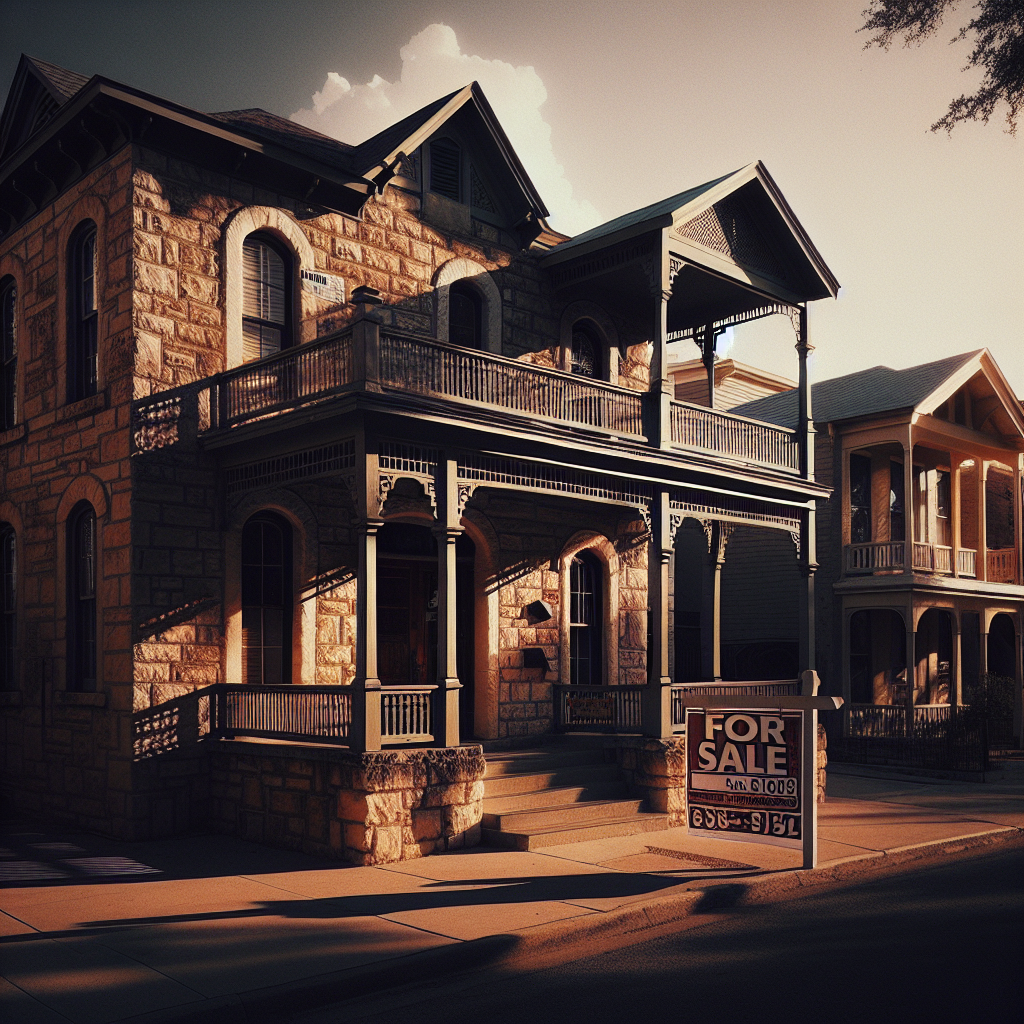
Exploring the Rich History of San Antonio
Understanding the Historical Context
When you dive into the realm of San Antonio’s historic homes, you’re not just looking at real estate; you’re exploring layers of history that breathe life into the architecture. Each neighborhood has its own story, often tied to significant events or cultural shifts. This unique environment helps set San Antonio apart.
Many homes here are more than just houses; they are markers of different eras and architectural styles, from Spanish colonial to Victorian. This melting pot of designs is a testament to the diverse cultural influences over the years. Trust me, if you let your curiosity guide you, you’ll discover fascinating tales woven into the very walls.
As I walked through some neighborhoods, the sense of nostalgia is palpable. You can almost hear the echoes of the past—children playing on porches, families gathering for neighborhood barbecues, and stories told over summer nights. It’s this rich tapestry of life that makes these homes not just structures, but vibrant parts of a community.
Finding the Right Neighborhood
Identifying Your Preferences
Finding a historic home in San Antonio isn’t just about the house; it’s about the neighborhood. Start by considering what kind of lifestyle you want to lead. Do you enjoy being close to bustling cafés and art galleries, or do you prefer a quieter, more residential area? Each neighborhood comes with its vibe, and it’s worth taking the time to explore them.
For instance, neighborhoods like King William offer historic charm with a lively arts scene, while Alamo Heights provides a more suburban feel with top-notch schools. It’s all about matching your lifestyle to your choice of neighborhood. Walking around, seeing the local parks, and just feeling the ambiance can really help clarify where you want to plant roots.
Take note of the amenities each area offers. Proximity to schools, grocery stores, and medical facilities can be essential, especially if you’re moving with family. Spend some weekends in the neighborhoods on your shortlist to get a genuine feel of what it’s like—you won’t regret it!
Understanding Architectural Styles
Identifying Key Features
One of the coolest parts of shopping for a historic home is learning about architectural styles. San Antonio is rich in diversity, from charming cottages to grand mansions. You might come across different styles like the classic Mission-style, outlined by sleek arches and stucco exteriors, or Victorian homes that scream elegance with their intricate woodwork and wrap-around porches.
As I explored, I found it incredibly helpful to take notes or even photos of architectural features I loved. For example, gothic elements might catch your eye, or perhaps the Spanish Revival style with its classic tile roofs. Each style has unique attributes, and understanding these can greatly enhance your home search experience.
You can often find great documentation on local architecture at historical societies or even libraries. Getting to know these styles deeply can make your home search more enjoyable and help you make an informed decision on which features matter most to you.
The Buying Process for Historic Homes
Working with Real Estate Professionals
Let’s get real: buying a historic home can be daunting, but having a knowledgeable real estate agent on your side makes all the difference. Find someone who understands the nuances of older properties and can guide you through the unique buying process. They can help explain zoning laws, renovation restrictions, and anything else that’s specific to historic homes.

https://Credit411USA.com
These professionals will also know the market well and can give you insights into pricing trends specific to historic homes. A good agent will walk you through the process, ensuring you’re not just signing papers, but making a smart investment.
I remember feeling overwhelmed at first, but my agent’s expertise really clarified the financing options and the logistics of buying a property with a rich history. This support can be invaluable and really put your mind at ease through what can feel like a long and complex process.
Caring for Your Historic Home
Maintenance Tips and Resources
Owning a historic home is a labor of love, no doubt about it! You want to preserve the character and charm while also making sure that it remains durable for years to come. Maintenance is key—consider regular inspections of plumbing, roofing, and foundations because older homes might have quirks that need special attention.
Your home might require unique materials or methods in upkeep, which can often be different from newer constructions. To tackle this, I found it useful to connect with local restoration companies or historical societies. They can share invaluable resources on everything from the best paint to use to energy efficiency methods that respect the home’s historical makeup.
Also, consider setting aside a maintenance budget. Older homes sometimes surprise you with unexpected repairs, so it’s good to be prepared. Plus, you’ll want to ensure that everything from the electrical system to the garden is maintained beautifully—after all, you’re not just fixing a house; you’re nurturing a piece of history.
FAQ
1. What is the price range for historic homes in San Antonio?
The price for historic homes can vary widely depending on the location, size, and condition. In some neighborhoods, you might find homes starting around $250,000, while more expansive and fully restored properties can go for over a million.
2. How do I find a good real estate agent for historic homes?
Look for agents who specialize in historic properties and have a proven track record. Recommendations from friends or local historical societies can also lead you to some great professionals who know their stuff.
3. Are there any tax incentives for purchasing historic homes?
Yes, there can be tax incentives or grants available! It’s worth talking to your realtor or researching local programs that support the upkeep of historic properties.
4. Can I renovate a historic home?
Definitely, but be sure to check local laws and preservation guidelines. Some areas may have strict regulations on what can or cannot be changed. Always consult with your local historic preservation office before starting any major renovations.
5. What are the benefits of owning a historic home?
Aside from the unique charm and rich history, historic homes often come with stronger community ties and a sense of character that newer houses might lack. Plus, you’re contributing to the preservation of history and heritage! It’s a fulfilling experience.

https://Credit411USA.com